
What Is a Pre-Filled Syringe?
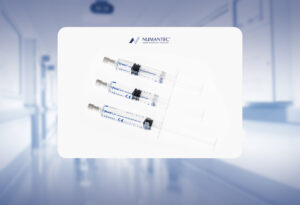
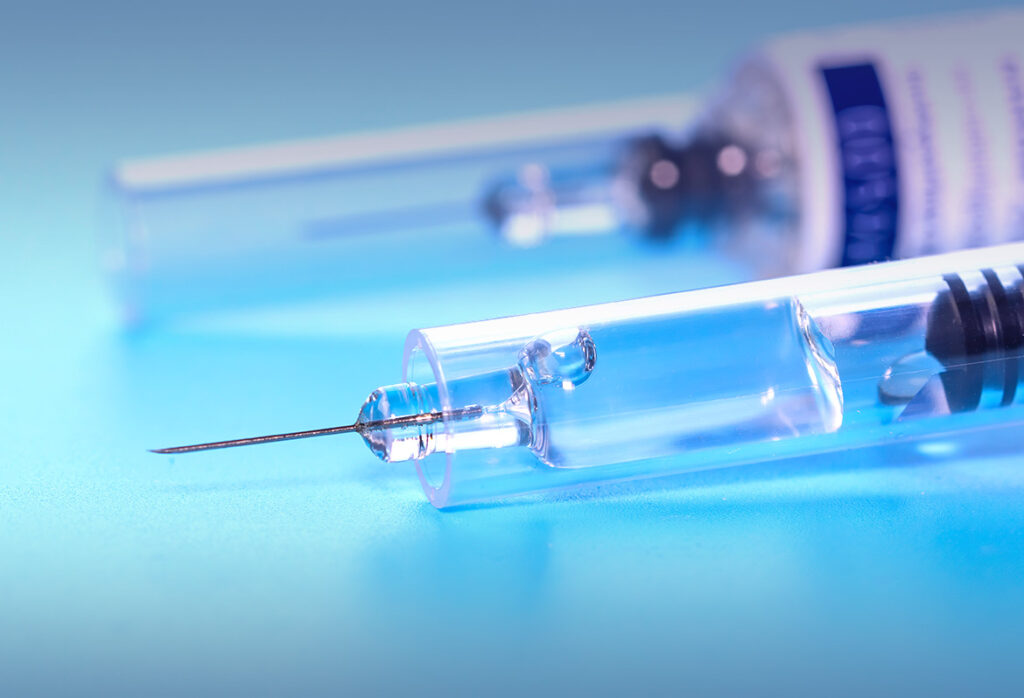
A pre-filled syringe is a sterile, single-use medical device containing a predetermined volume of solution, ready for immediate use.
This eliminates the need for on-site preparation, reducing the risk of contamination and dosing errors.
Pre-filled syringes are commonly used for flushing intravenous lines, administering medications or fluids, and maintaining venous patency.
Patient Safety: A Key Factor
One of the primary reasons for the preference for pre-filled syringes is their significant contribution to patient safety.
Vascular access-related infections, such as catheter-associated bloodstream infections (CABSI), are among the most serious complications in hospitalized patients. The use of pre-filled syringes substantially reduces the risk of contamination, as each syringe is pre-prepared and sealed in a sterile environment. This eliminates the additional handling steps involved in manually preparing solutions, thereby minimizing human error and limiting exposure to contaminants.
Furthermore, rigorous quality control during the manufacturing process ensures that the solution is free from impurities, and that the concentration and volume are precise, preventing potential dosing errors and ensuring safe and consistent administration.
Operational Efficiency and Time Reduction
Pre-filled syringes provide a significant advantage in terms of operational efficiency, particularly in high-pressure clinical environments such as intensive care units and operating rooms, where time is a critical factor.
Manual preparation of syringes is a time-consuming process that requires careful attention and precision, diverting valuable resources away from direct patient care.
The use of pre-filled syringes eliminates the need for manual filling and calibration, allowing healthcare professionals to focus on patient management rather than preparation tasks. This streamlines care delivery, reduces workload, and contributes to lower stress and burnout among healthcare personnel.
Precision and Control
Another important advantage of pre-filled syringes lies in the precision they provide during solution administration. Each syringe is precisely calibrated to ensure accurate and consistent dosing, a factor of particular importance in critical settings where even minor variations can have significant repercussions on patient outcomes.
Additionally, standardizing the volume and concentration of solutions in pre-filled syringes reduces the risk of human error linked to manual preparation, such as overfilling or underfilling the syringe. In this way, pre-filled syringes enhance the quality of care and ensure that each patient receives the precise dose required.
Waste Reduction and Sustainability
Pre-filled syringes also provide significant advantages in terms of waste management and sustainability. With standard manual preparation, solution wastage often occurs because the volume prepared may exceed actual requirements. Moreover, the process of manual preparation generates additional waste, such as containers and equipment (e.g., latex gloves and gauze) that can no longer be used once they lose sterility.
Pre-filled syringes, by contrast, are designed to deliver the exact amount of solution needed for a single use, thus minimizing waste. This not only results in cost savings but also helps reduce the environmental impact of healthcare facilities, making the process more ecologically sustainable.
Improving the Quality of Care
The transition to pre-filled syringes has been shown to significantly enhance the quality of patient care. Their use helps reduce administration errors, minimize the risk of infections, and ensure that patients receive standardized and safe treatments. By eliminating the need for manual solution preparation, pre-filled syringes contribute to a more reliable and efficient medication administration process.
Clinical Evidence Supporting Pre-Filled Syringes
Clinical studies have demonstrated that the use of pre-filled syringes can lead to a significant reduction in bloodstream infections associated with central venous catheters (CVCs) and other vascular access devices. The decrease in administration errors, along with faster and more efficient treatments, has been consistently highlighted in clinical trials. These findings emphasize the importance of adopting innovative technologies to enhance patient safety and treatment efficacy in hospital settings.