

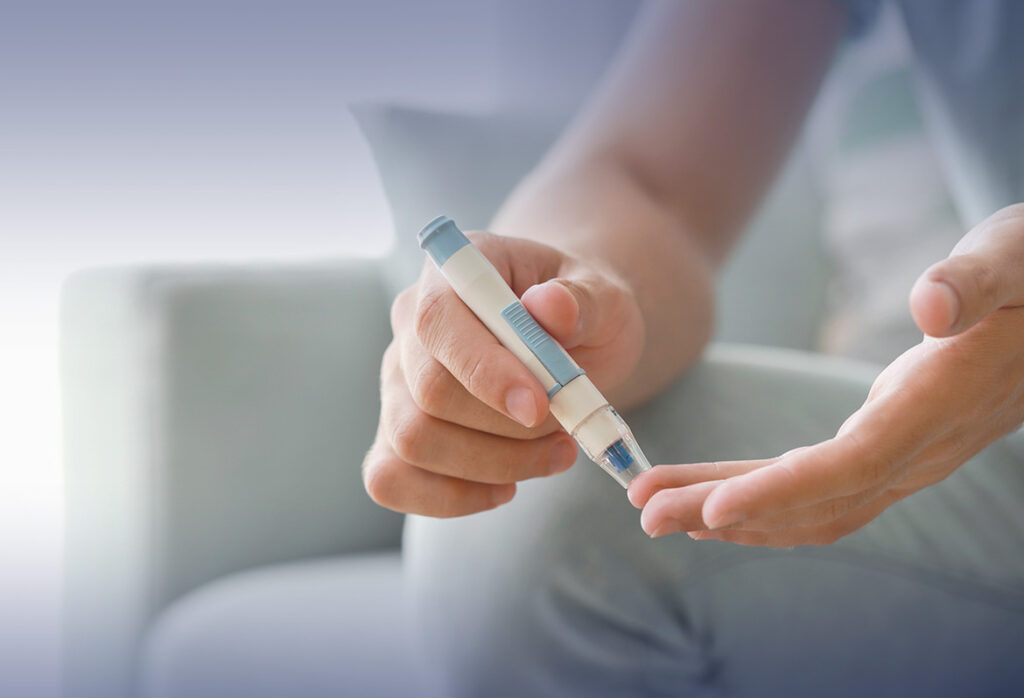
Symptoms of Diabetes: Type 1 or Type 2?
Before listing the typical symptoms, it is important to distinguish between the two main types of diabetes, which present with different onset patterns and underlying mechanisms:
Type 1 diabetes is characterized by a complete absence of insulin secretion due to autoimmune destruction of pancreatic beta cells.
Type 2 diabetes is marked by reduced insulin sensitivity in peripheral tissues (liver, muscle, and adipose tissue) and/or impaired insulin secretion by the pancreas. This form of diabetes progressively worsens over time and often develops from a pre-existing condition of insulin resistance.
Symptoms of Type 1 Diabetes
Type 1 diabetes is typically diagnosed in childhood or adolescence and results from an autoimmune response that destroys insulin-producing pancreatic cells. Symptoms appear suddenly and acutely, including:
- Increased thirst and urination: Excess glucose in the blood causes the kidneys to work harder to filter and eliminate it.
- Constant hunger: Without insulin, cells are unable to utilize glucose for energy.
- Unexplained weight loss: Despite increased appetite, the body starts breaking down fat and muscle for energy
- Fatigue: A lack of glucose in cells results in persistent tiredness.
- Blurred vision: Excess blood sugar can cause swelling of the lens, affecting vision
Symptoms of Type 2 Diabetes
Type 2 diabetes, more common in adults, is strongly associated with risk factors such as obesity and a sedentary lifestyle. Unlike Type 1 diabetes, its symptoms develop gradually and may include:
- Increased thirst and urination: Similar to Type 1 diabetes but often less pronounced.
- Constant hunger and weight gain.
- Fatigue.
- Blurred vision
- Slow wound healing: Diabetes impairs blood circulation, delaying tissue repair.
- Frequent infections: Excess blood sugar creates a favorable environment for bacterial and fungal growth.
Diagnosis of Diabetes
A blood test is essential to diagnose diabetes. The four most commonly used tests and their diagnostic thresholds include:
- Fasting Blood Glucose Test: Measures blood glucose levels after at least 8 hours of fasting. A value of ≥126 mg/dL on two separate tests confirms diabetes.
- Glycated Hemoglobin (A1C) Test: Provides an average blood glucose level over the past 2–3 months. A value of ≥6.5% is indicative of diabetes.
- Glucose Tolerance Test (OGTT): Measures blood glucose two hours after consuming a glucose-rich solution. A level of ≥200 mg/dL confirms diabetes
- Random Blood Glucose Test: A blood glucose level of ≥200 mg/dL, regardless of the last meal, suggests diabetes
Diabetes Prevention
While Type 1 diabetes is not preventable, Type 2 diabetes can be effectively prevented through simple yet impactful lifestyle choices:
- Maintain a healthy diet: A balanced, fiber-rich diet helps regulate blood sugar and maintain a healthy weight. Reducing simple sugars and saturated fats while prioritizing fruits, vegetables, whole grains, and lean proteins is crucial.
- Maintain a healthy diet: A balanced, fiber-rich diet helps regulate blood sugar and maintain a healthy weight. Reducing simple sugars and saturated fats while prioritizing fruits, vegetables, whole grains, and lean proteins is crucial.
- Monitor weight: Maintaining a healthy body weight (BMI in the normal range) is essential, as obesity is a major risk factor for Type 2 diabetes.
- Avoid smoking: Smoking increases the risk of numerous diseases, including Type 2 diabetes and its complications. Quitting smoking improves overall health and cardiovascular function.
- Manage stress: Chronic stress can negatively affect blood sugar levels. Techniques such as meditation, yoga, and deep breathing exercises can help maintain glycemic stability
By adopting a healthy lifestyle, maintaining an optimal body weight, and regularly monitoring blood sugar levels, individuals can significantly reduce the risk of diabetes and its complications.