
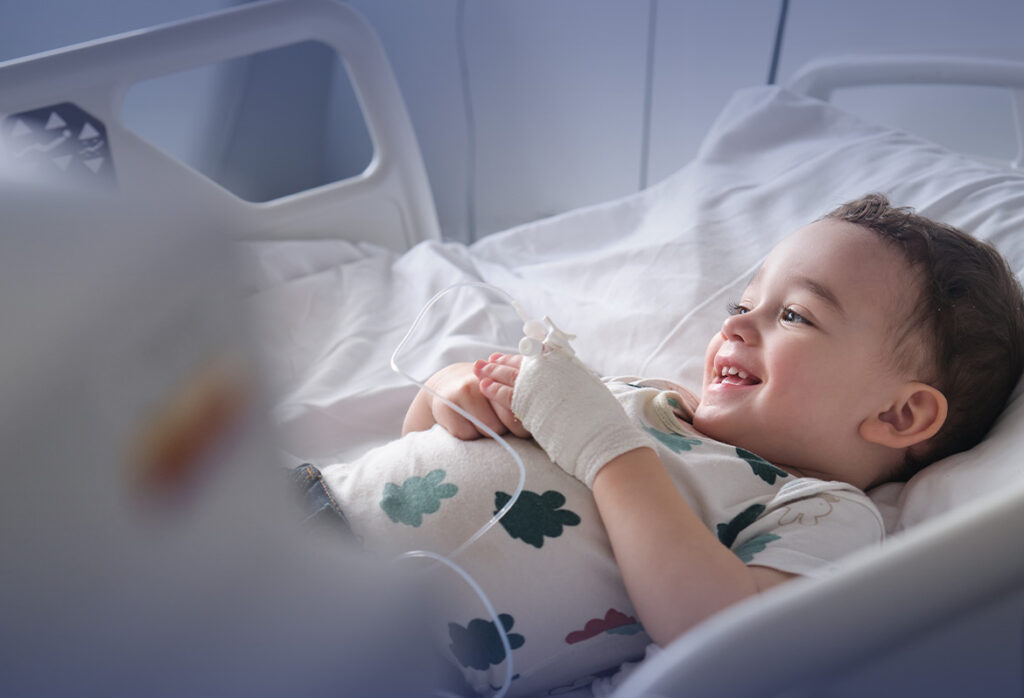
Because of their smaller anatomical structures, increased physical activity, and fragile tissues, children face a significantly higher risk of catheter dislodgement than adults.
Catheter Types Prone to Dislodgement
Catheters are essential in pediatric care for therapy administration and clinical monitoring. However, maintaining secure catheter placement remains a key clinical challenge.
Although indispensable, catheters carry a high risk of dislodgement—one of the primary challenges clinicians must manage:
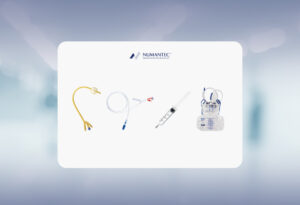
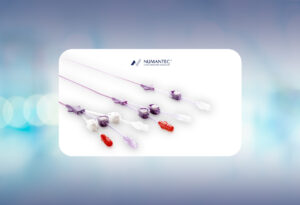
- Central Venous Catheter (CVC): Essential for the administration of medications and parenteral nutrition. Dislodgement can compromise treatment efficacy and increase the risk of infection and venous thrombosis.
- Peripherally Inserted Central Catheter (PICC): Commonly used for long-term intravenous therapies. Dislodgement may result in infiltration, occlusion, or loss of venous access, potentially requiring re-insertion.
- Epidural Catheter: Used for managing postoperative or chronic pain. Catheter migration or leakage can reduce analgesic effectiveness, leading to inadequate pain control.
- Bladder Catheter: Critical for urinary drainage in specific pediatric cases. Dislodgement can cause mucosal irritation, urinary tract infections, or obstruction of urinary flow.
Causes of Catheter Dislodgement in Pediatric Patients
Catheter dislodgement in pediatric patients is a multifactorial complication, often resulting from a combination of mechanical, anatomical, and behavioral factors.
Children, especially infants and young children, are more susceptible to catheter dislodgement due to their high level of mobility, fragile skin and soft tissues, and the inherent difficulty of maintaining stable catheter placement over time.
Some of the most common causes of catheter dislodgement in pediatric settings include:
- Involuntary movements or excessive motor activity by the child
- Inadequate catheter fixation, such as poorly secured dressings or tapes
- Frequent handling or manipulation of the device by caregivers or healthcare staff
- Patient growth, which may alter the catheter’s position over time, especially in long-term placements
- Accidental traction, often occurring during diaper changes, repositioning, or dressing changes
Signs of Catheter Dislodgement
Early identification of catheter dislodgement is essential to prevent complications and maintain effective treatment.
Some symptoms can vary based on the type of catheter involved, but in general, the main indicators of a possible dislodgement include:
- Presence of swelling, redness, or pain at the catheter site
- Difficulty infusing fluids or drawing blood from venous access devices
- Change in visible catheter length
- Leakage of fluid or blood from the insertion point
- Failure to drain urine in the case of a bladder catheter
Prevention Strategies
Preventing catheter dislodgement in pediatric patients requires targeted strategies focused on maintaining catheter stability and minimizing external disturbances. Key prevention measures include:
- Use of appropriate securement methods, such as transparent dressings and dedicated anchoring devices
- Regular monitoring of the catheter position through visual inspections and, if necessary, Imaging techniques (X-ray, ultrasound)
- Education of healthcare staff and parents on proper management and warning signs
- Limiting catheter manipulation to reduce the risk of accidental traction.
The Role of Numantec and Delta Med in Pediatric Catheter Safety
Catheter dislodgement in pediatric care is a complication that must not be underestimated, as it can compromise therapeutic outcomes and elevate the risk of infection and other adverse events.
The companies of the Numantec Group, including Delta Med, are actively engaged in the development of innovative, high-precision devices designed to minimize the risk of catheter dislodgement and enhance patient safety.
By combining effective prevention strategies with cutting-edge medical technologies, healthcare professionals can significantly reduce the incidence of catheter dislodgement and ensure the best possible outcomes for pediatric patients.