

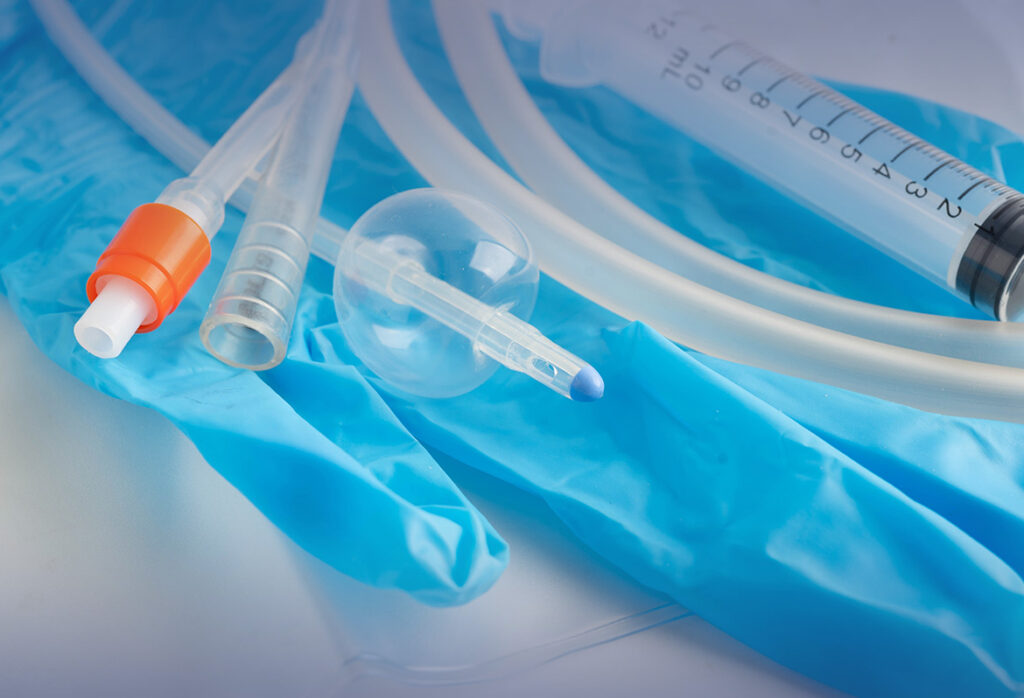
What is a Catheter-Associated Infection?
A catheter-associated infection occurs when bacteria or other pathogens enter the body through a vascular catheter, leading to either local or systemic infections. These infections are particularly prevalent in patients who need prolonged use of central venous catheters (CVCs) for purposes such as drug administration, fluid therapy, parenteral nutrition, or hemodynamic monitoring.
CRIs can manifest as:
- Local infection, with signs of redness, pain, and discharge at the catheter insertion site)
- Systemic infections, such as bacteremia, which can lead to sepsis, a life-threatening condition
Impact of Catheter-Associated Infections on Patients
Catheter-associated infections have a significant impact on patient health. In addition to the immediate risk of severe complications, such as sepsis, these infections can lead to a deterioration of the patient’s overall condition, resulting in prolonged hospital stays and the need for additional treatments, such as antibiotics or catheter removal and replacement.
Infections can also have a negative psychological impact on patients, causing anxiety and stress related to the potential for complications and prolonged hospitalization. Moreover, CRIs can hinder the success of long-term treatments, particularly in immunocompromised patients or those with chronic conditions.
Economic Impact of Catheter-Associated Infections
From an economic standpoint, CRIs represent a substantial burden on healthcare facilities. Each infection episode often requires additional treatments, such as antibiotics, surgical procedures to remove the infected catheter, and extended hospital stays, leading to higher costs. Recent studies show that the average cost of managing a catheter-associated infection can vary, but is generally high, especially when considering direct and indirect costs, such as lost productivity and litigation risks. As a result, healthcare facilities are increasingly incentivized to implement preventive measures to reduce the incidence of CRIs. Not only does this improve the quality of patient care, but it also helps to control costs.
Causes of Catheter-Associated Infections
Catheter-associated infections can arise from various causes, including:
- Insertion site contamination: The skin around the catheter insertion site can be a common source of bacteria, which can enter through the breach in the skin and infect the catheter
- Contamination during insertion: Non-sterile insertion procedures or failure to follow aseptic techniques can introduce bacteria into the insertion site, increasing the risk of infection
- Lack of hand hygiene: Healthcare workers who fail to follow proper hand hygiene practices can transfer bacteria to the catheter, causing contamination
- Prolonged catheter use: The longer a catheter remains in place, the higher the likelihood of bacterial colonization and infection
- Biofilm formation: Bacteria can adhere to the catheter surface and form a protective biofilm, which makes them more resistant to antibiotics and the patient’s immune response, further complicating treatment
Catheter-Associated Infection Prevention Strategies
Preventing catheter-associated infections requires a multifaceted approach, including several interventions to reduce the risk of contamination and infection. Key strategies for prevention include:
- Aseptic techniques during insertion: Catheter insertion must be performed under strict aseptic conditions, using sterile barriers, gloves, and gowns, and ensuring proper disinfection of the insertion site to reduce the risk of infection
- Hand hygiene: Proper hand hygiene by healthcare workers is essential to prevent the transmission of bacteria from staff to patients
- Use of catheters with antimicrobial technology: Some catheters are coated with antimicrobial substances that inhibit bacterial growth and reduce the likelihood of biofilm formation, lowering infection risk
- Proper catheter management: This involves regular flushing of the line with saline or heparin solutions, replacing intravenous lines according to established protocols, and monitoring the insertion site for any signs of infection
- Education of healthcare personnel: Continuous education of healthcare personnel on the best practices for catheter insertion and management is crucial to maintain high standards of care and prevent infections
- Periodic assessment of catheter indication: Regularly assessing whether the catheter is still necessary and removing it promptly when no longer needed can help reduce the risk of infection
Management of Catheter-Associated Infections
When a catheter-associated infection occurs, early intervention is crucial to minimize complications and enhance clinical outcomes. The management of CRIs may include:
- Removal of the infected catheter: In many cases, the catheter must be removed and replaced to eliminate the source of infection
- Antibiotic therapy: Antibiotics are the primary treatment for CRI. The choice of antibiotic depends on the type of bacteria involved and the severity of the infection
- Insertion site care: The insertion site should be regularly monitored and treated to prevent further infection. This may involve cleaning the site with antimicrobial solutions and appropriate wound management
- Patient monitoring and support: Patients with CRI require close monitoring for complications such as sepsis. In severe cases, hemodynamic support or other forms of intensive care may be required
- Analysis of causes and review of procedures: After a CRI episode, it is vital to analyze the causes and review standard operating procedures to prevent recurrence
Ultimately, catheter-associated infections present a significant challenge to healthcare systems, with serious consequences for both patient health and hospital operating costs. However, by adopting effective preventive strategies, the incidence of these infections can be reduced, leading to improved patient outcomes and enhanced quality of care.
Preventing CRIs not only improves patient safety and the overall quality of care, but also plays a crucial role in reducing healthcare costs. Prioritizing effective management of catheter-associated infections in healthcare facilities is essential for both patient well-being and cost containment.