
Impact of Venous Access on Body Perception
It should be recognised that patients often undergo a complex and prolonged treatment journey. It is therefore essential to address not only the technical aspects related to device selection, but also the patient’s perception of their own body.
Device choice should also take into account the emotional and aesthetic impact it may have on the patient.
The chest venous catheter, especially if external or with a reservoir implanted in the chest, can be more noticeable: scars on the chest, subcutaneous bumps, and, in some cases, the need for frequent dressings make the device easily noticeable to both the patient and others. This visibility can negatively affect self-esteem, especially in younger or socially active individuals.
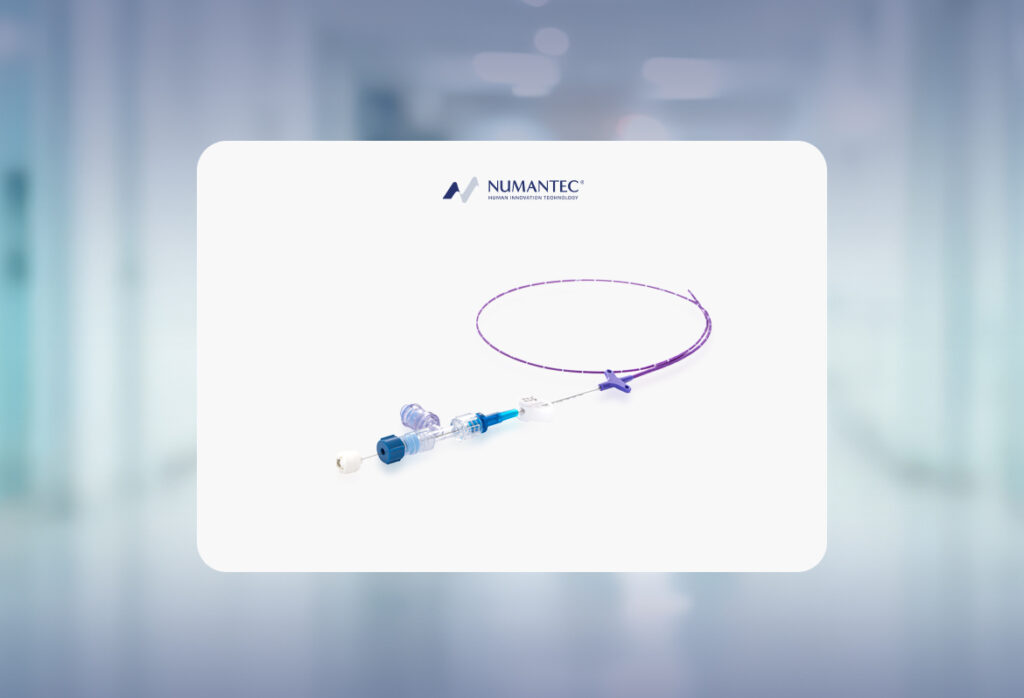
The PICC-port, typically implanted in the upper arm and fully subcutaneous, is generally less visible in everyday life. The absence of external components and the ease with which it can be concealed contribute to a more positive body image and greater psychological comfort.
Comfort, Lifestyle, and Quality of Life
From a functional standpoint, all devices are designed to ensure effective management of infusion therapies, and healthcare professionals are trained to select the most appropriate option. What differs, however, is the level of comfort perceived by the patient.
It is therefore necessary to consider the patient’s habits and lifestyle.
For example, a chest venous catheter may interfere with certain daily activities, such as physical exercise. Moreover, having a chest insertion site can increase awareness of the illness, particularly during moments of intimacy or social interaction.
The PICC port, thanks to its peripheral placement, is often perceived as less invasive in daily life. Many patients report greater freedom of movement and reduced need to constantly pay attention to the device, factors that have a positive impact on overall quality of life.
Patient Involvement in Therapeutic Decision-Making
When asked whether the PICC-port or the chest venous catheter is better for improving body image and patient satisfaction, the answer is: it depends.
If the primary goal is to minimise the visual and psychological impact of the device, the PICC-port is often a favourable choice. However, the final decision must be personalised, balancing clinical needs with the patient’s lived experience.
In an increasingly person-centred model of care, taking body image and patient satisfaction into account is not optional, it is an integral part of quality care.
Each therapeutic plan should consider the type of infusion, expected duration, and venous access status of the patient, but also individual preferences, lifestyle, and perceived comfort.
There is no universally superior solution; what makes the difference is a well-trained healthcare team that, in addition to evaluating clinical and technical parameters, informs the patient and, whenever possible, involves them in the final decision.
This includes clearly explaining the pros and cons of each option.
Numantec’s Commitment
Aware of the complexity involved in vascular access decisions, Numantec offers a comprehensive portfolio of vascular access devices, featuring a range of clinical and technical solutions adaptable to various care settings.
The company is also actively engaged in the research and development of an innovative new PICC-port, designed to combine aesthetic considerations, patient comfort, and advanced technical performance, providing healthcare professionals with a reliable tool and patients with a discreet, quality-of-life–oriented solution.