
The integration of technology into hospital wards has profoundly transformed the way patients are cared for. For companies like Numantec, which design and develop solutions for vascular access and infusion therapy, technology at the bedside is not merely about innovation. It is about delivering care with greater attention to both the patient and the healthcare professional who supports them.
The Benefits of Innovation at the Patient’s Bedside
The adoption of next-generation devices and technologies enables more controlled clinical procedures, reduces operational challenges, and improves the day-to-day management of biomedical devices.
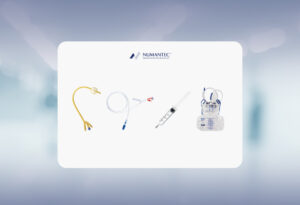
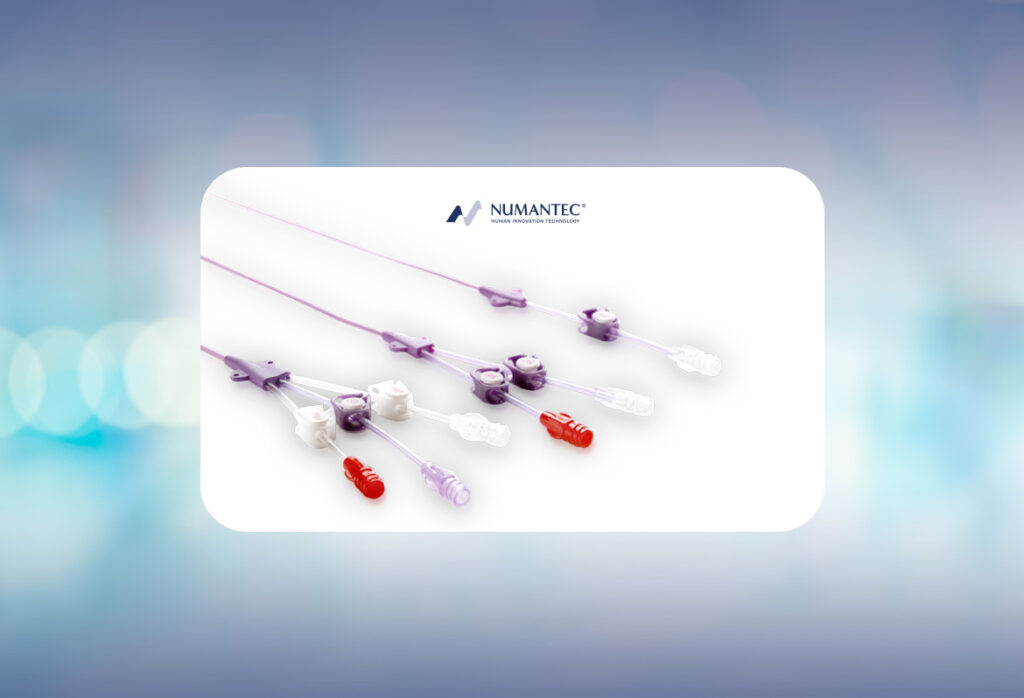
The introduction of advanced solutions into hospital departments has significantly reshaped therapy management. Next-generation peripheral and central catheters, filtration systems, elastomeric pumps, needle-free connectors, and pre-filled syringes have made care pathways safer, more controlled, and better aligned with the needs of vulnerable patients.
However, innovation creates real value only when it is fully integrated into care processes. For this reason, technology and organisational practice must evolve together.
Enhanced Protection in Infusion Therapy
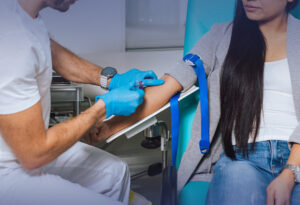
Advanced safety systems and next-generation materials help reduce the risk of blood exposure and needlestick injuries. The integration of filtration systems capable of retaining particles, microorganisms, and air microbubbles contributes to lowering the incidence of phlebitis, inflammatory reactions, and thrombotic complications. This is particularly critical in vulnerable populations, including oncology patients and neonates.
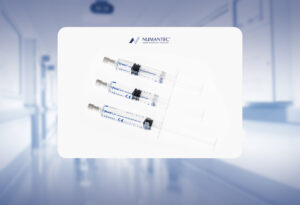
Elastomeric pumps enable controlled drug delivery and reduce the need for repeated handling, thereby limiting preparation errors and potential contamination. Similarly, pre-filled syringes support healthcare professionals by providing ready-to-use devices, eliminating unnecessary preparation time and significantly reducing the risk of contamination during handling.
In prolonged treatments, medium- and long-term vascular access devices such as midlines, PICCs, and implantable ports ensure greater infusion stability, improving patient comfort and adherence to the prescribed care pathway.
Supporting Healthcare Professionals
In professional settings, technology primarily serves to support and enhance human capabilities. At the same time, it standardises complex procedures, reducing the likelihood of errors and ensuring greater consistency and quality across clinical processes.
Healthcare professionals do not compete with technology; rather, they integrate it with their expertise, critical thinking, and, above all, the empathy with which they engage with patients.
Improved Quality of Life for Patients
Less invasive, more ergonomic, and reliable devices enable greater mobility, support the home-based management of certain therapies, and help reduce hospitalisation times. This aspect is particularly relevant in neonatal and oncology care, as well as in pain management. However, the introduction of new devices also requires appropriate training, updated protocols, and coordination across departments. Without a structured implementation pathway, even the most advanced solution may fail to fully deliver its clinical value.
For a company such as Numantec, which develops vascular access devices and infusion systems, technology is not merely a clinical tool but a true strategic ally in the daily work of nurses and physicians.
Next-generation devices are designed to reduce occupational risk:
- Closed systems and needleless connectors limit blood exposure
- Passive safety mechanisms reduce the incidence of needlestick injuries
- Advanced materials and pressure-controlled valves decrease manipulation of infusion lines
This results in a more controlled working environment and a reduction in stress related to biological risk, which is particularly relevant in high-acuity clinical settings.
Technology also enables procedures to become more standardised and reproducible. For healthcare professionals, this means:
- Fewer critical manual steps
- Reduced risk of preparation errors
- Greater adherence to clinical protocols
When these elements work together, therapies become more reliable, processes more controlled, and protection for both patients and healthcare professionals is enhanced. The Numantec Group operates with these objectives in mind, developing medical solutions designed to improve the appropriateness of infusion therapies, reduce procedural risks, and support the daily work of healthcare professionals, ultimately contributing to higher standards of care and improved patient wellbeing.